🖥️
Colocation
Secure rack, cage, power, connectivity, and remote-hands services for enterprise workloads.
RacksCagesRemote hands
BackupSystemsCo combines secure colocation, immutable backup vaulting, disaster recovery planning, and 24/7 operations support from our Saudi Arabia facility presence.
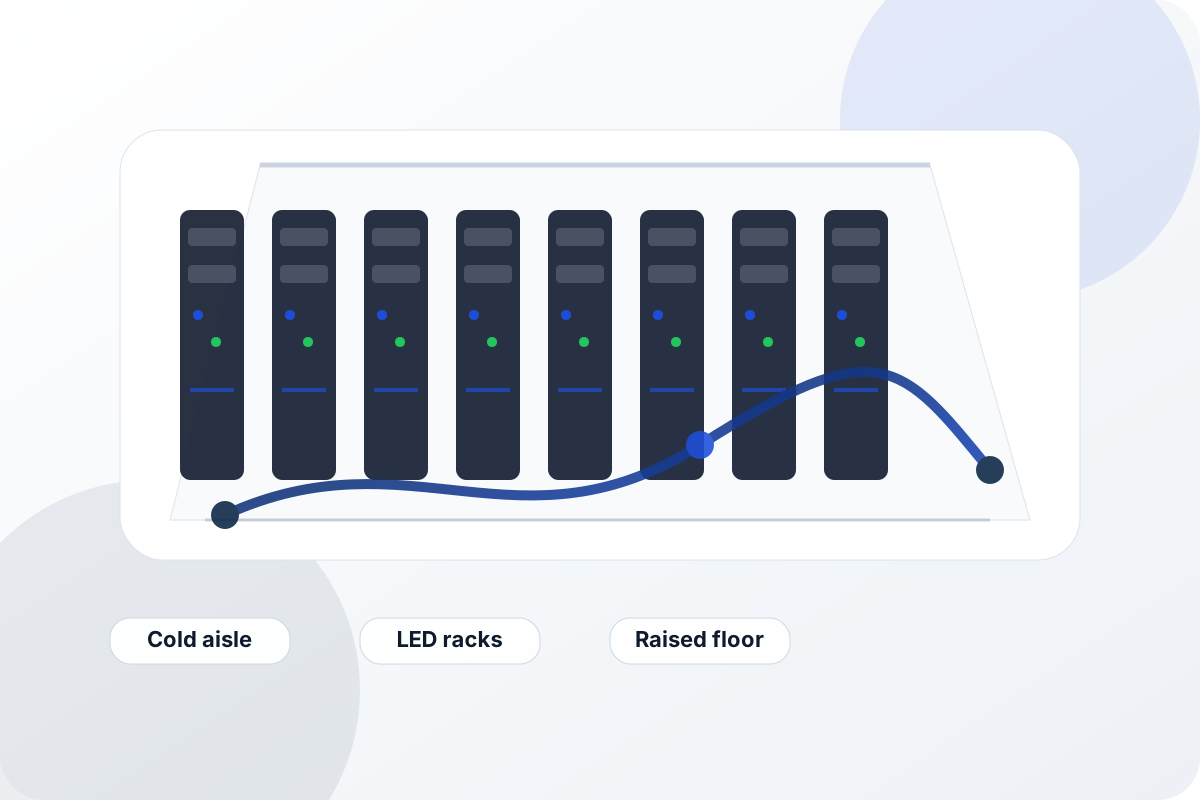
Every offering is built to reduce downtime, protect data integrity, and give leadership a clear recovery path.
Secure rack, cage, power, connectivity, and remote-hands services for enterprise workloads.
Backup vaults with retention policy design, isolation concepts, restore testing, and audit-ready reporting.
RTO/RPO workshops, replication architecture, failover runbooks, and tabletop recovery exercises.
Our site narrative focuses on controlled access, monitored power, engineered cooling, fiber diversity, and professional personnel workflows.
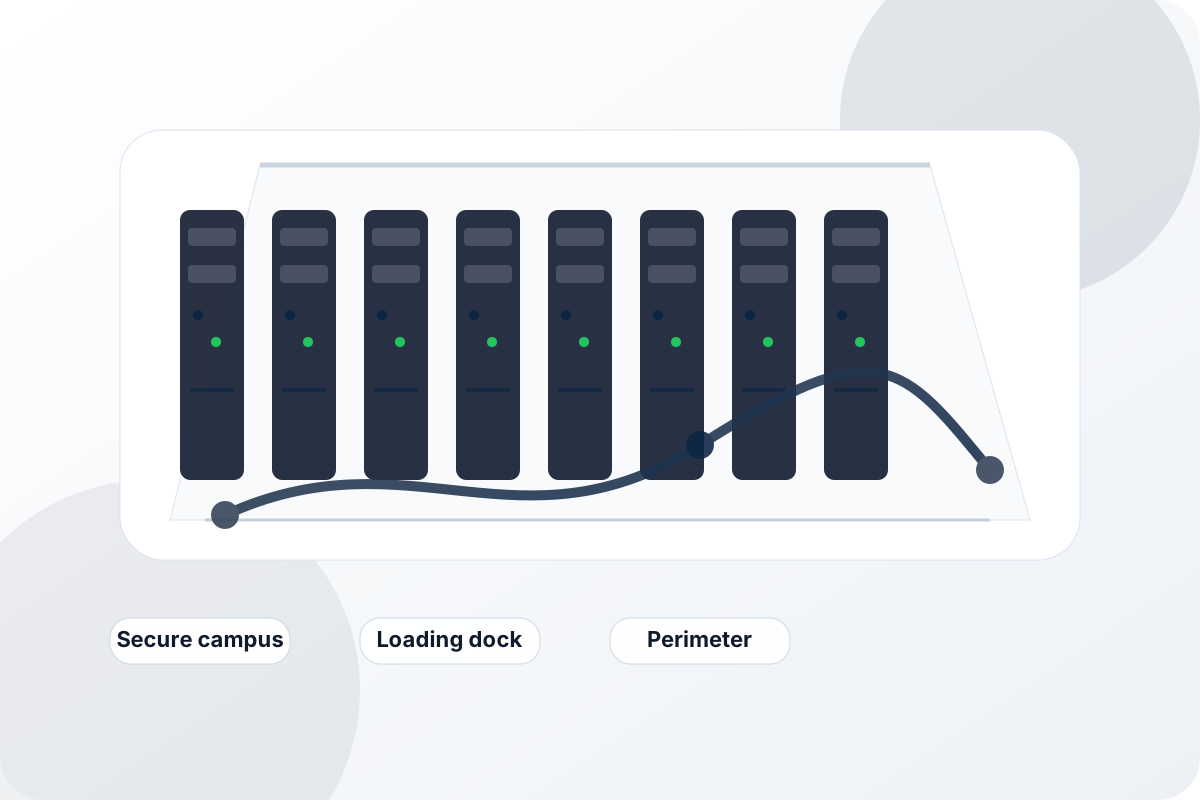
Map current workloads, dependency chains, data tiers, and business impact tolerances.
Translate requirements into rack, power, network, backup, and recovery architecture.
Monitor facilities, support remote work, track incidents, and run restore exercises.